
Simple Skincare Routine for Acne-Prone Skin: The 3 Steps That Actually Work
Struggling with breakouts and sensitive skin? Learn a simple skincare routine for acne-prone skin plus practical tips to avoid irritation and support a healthier skin barrier.
Dr Priya Gill
1/15/20264 min read
For many people with acne-prone or sensitive skin, skincare can feel overwhelming. Social media is filled with multi-step routines, active ingredients, and trending products that promise fast results. Unfortunately, piling on too many products often leads to irritation, breakouts, and a damaged skin barrier.
A simple skincare routine for acne-prone skin is often more effective than a complicated one. Science consistently shows that keeping skincare minimal helps reduce inflammation, protects the skin barrier, and supports long-term skin health.
This article explains why less is more, and outlines a practical three-step routine that works for sensitive and acne-prone skin.
Why Acne-Prone Skin Needs Simplicity
Acne-prone skin is often misunderstood. Many people assume breakouts are caused by dirt or oil alone, leading them to over-cleanse, scrub aggressively, or use multiple acne treatments at once.
In reality, acne-prone skin is usually inflamed and barrier-compromised. When the skin barrier is damaged, it loses water more easily and becomes more reactive to products, bacteria, and environmental triggers. This can worsen breakouts, redness, and sensitivity.
A simple skincare routine for acne-prone skin focuses on maintaining balance rather than stripping the skin. The goal is to cleanse gently, hydrate effectively, and protect the skin from further damage.
Step 1: Gentle Cleanser
This three-step approach works because it respects the skin’s natural functions. Cleansing removes buildup without irritation, moisturising strengthens the barrier, and sunscreen protects against ongoing damage.
Using fewer products also reduces the risk of ingredient conflicts, over-exfoliation, and unnecessary irritation. For many people, simplifying their routine leads to fewer breakouts and more stable skin over time.
A simple skincare routine for acne-prone skin is not about doing less care. It is about doing the right care consistently.
Conclusion




Need Help Personalising Your Skin & Hair Care?
Don’t let misinformation guide your skin and hair care. Consult the experts at Ranjit Skin & Hair Specialist Clinic and get a personalised treatment plan that works.
Book your consultation today. Your skin deserves the truth—and expert care.
Whatsapp at +60 12-279 4980 to make an appointment!




Cleansing is the foundation of any skincare routine. It removes sweat, excess oil, dirt, and environmental pollutants that can clog pores.
However, harsh soaps, scrubs, and strong cleansers can strip away the skin’s natural oils. This often leads to irritation and triggers the skin to produce even more oil, which can worsen acne.
For acne-prone skin, a gentle cleanser is essential. Look for a mild, non-foaming or low-foam cleanser that cleans without leaving the skin feeling tight or dry. Cleansing twice daily is usually sufficient, once in the morning and once at night.
In a simple skincare routine for acne-prone skin, cleansing should feel calming, not aggressive.


While a basic routine helps many people, some cases of acne require medical assessment. Persistent breakouts, painful acne, scarring, or acne that does not improve despite a simple routine may need targeted treatment.
A dermatologist can assess skin type, identify triggers, and recommend appropriate treatments that work alongside a gentle daily routine.
Why This Routine Works
When to Seek Professional Advice
Skincare does not need to be complicated to be effective. For sensitive and acne-prone skin, sticking to the basics often delivers the best results.
A simple skincare routine for acne-prone skin built around a gentle cleanser, a suitable moisturiser, and daily sunscreen provides a strong foundation for healthier skin. If skin concerns persist or worsen, consulting a dermatologist can help ensure the right care and guidance.
Healthy skin starts with consistency, simplicity, and understanding what your skin truly needs.
One of the most common mistakes people with acne-prone skin make is skipping moisturiser. There is a belief that moisturisers cause breakouts, especially for oily skin types.
In reality, moisturiser plays a crucial role in supporting the skin barrier. Its main function is not to add oil, but to lock in water. When the skin lacks hydration, it becomes irritated and may overproduce oil to compensate, increasing the risk of clogged pores.
For acne-prone or sensitive skin, lightweight and non-comedogenic moisturisers are ideal. These formulas hydrate without blocking pores and help calm inflammation.
Including moisturiser consistently is a key part of a simple skincare routine for acne-prone skin, even if the skin feels oily.
Sunscreen is often overlooked by people dealing with acne. Some worry that sunscreen will feel heavy or worsen breakouts, while others assume it is unnecessary indoors.
Ultraviolet exposure plays a major role in skin aging, pigmentation, and acne scarring. Sun exposure can also worsen inflammation and slow the healing of active breakouts.
Using sunscreen daily protects the skin from these effects and supports overall skin recovery. Even indoor light from windows can contribute to skin damage over time.
For acne-prone skin, choose a sunscreen that is lightweight, non-comedogenic, and suitable for sensitive skin. This step completes a simple skincare routine for acne-prone skin and helps prevent long-term skin concerns.
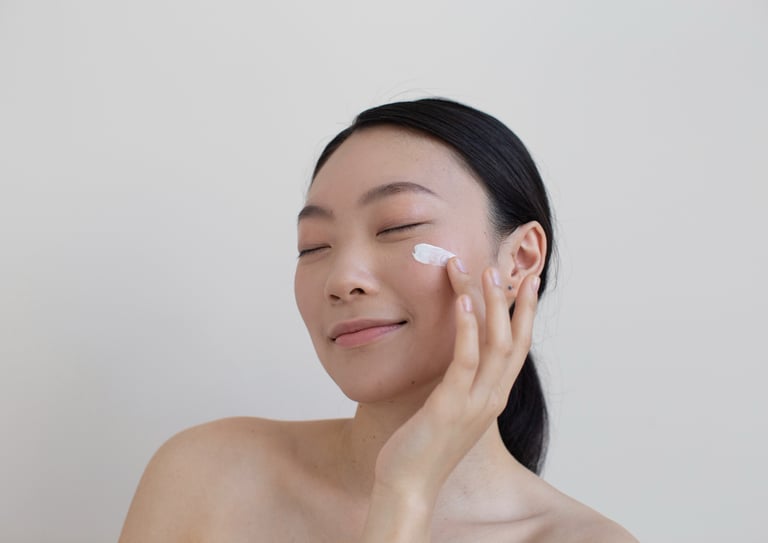

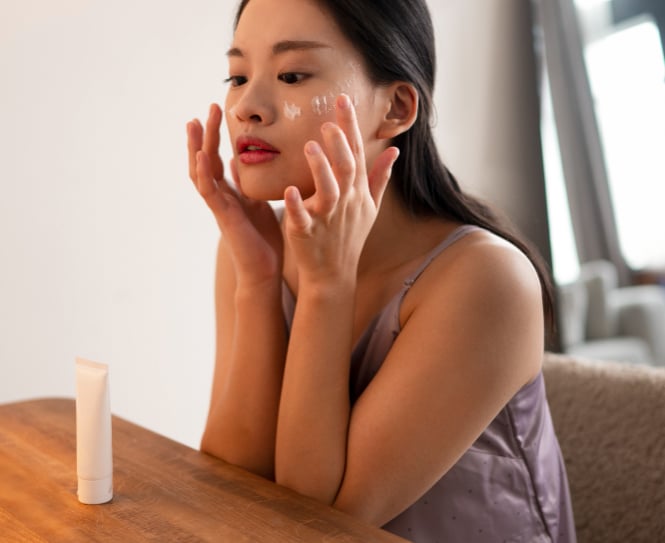

Step 2: Moisturiser
Step 3: Daily Sunscreen


Expert dermatology and hair care solutions await.
Address
C4, Jalan SS15/4D, Subang Jaya, 47500 Petaling Jaya, Selangor
© 2025. All rights reserved.


Contacts
Clinic: +60356316090
Whatsapp: +60122794980
Email: klinikranjit16@gmail.com