Risks of DIY Skincare: Why Natural Isn’t Always Safe
The risks of DIY skincare are real. Discover how popular natural remedies can harm your skin and why dermatologist-approved care matters. Read more to find out.
Dr Priya Gill
1/2/20264 min read
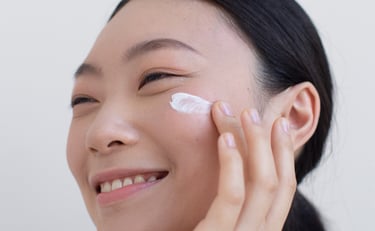
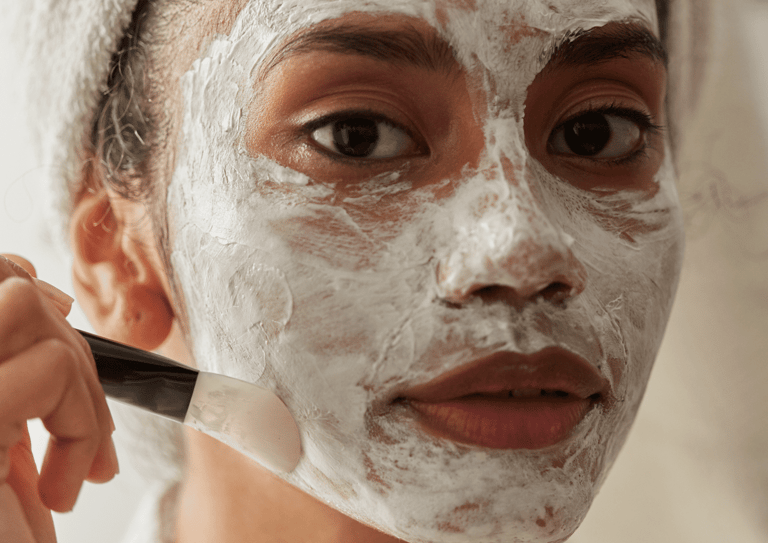
DIY and “natural” skincare trends are everywhere—from lemon juice face masks to baking soda scrubs and chemical-free creams. Social media often makes these remedies look harmless, affordable, and effective. However, what many people don’t realise is that the risks of DIY skincare can outweigh the benefits, sometimes leading to long-term skin damage.
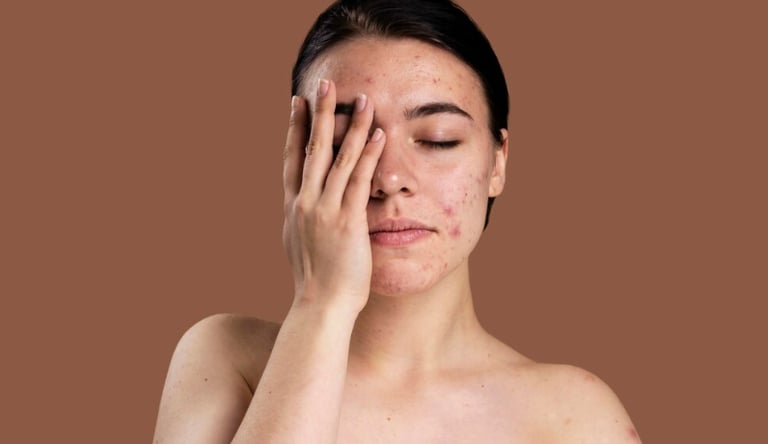
Dermatologists frequently see patients who develop irritation, burns, pigmentation, or chronic sensitivity after trying home remedies. Understanding why DIY skincare can be harmful is the first step toward protecting your skin.
Why DIY Skincare Is So Popular
The appeal of DIY skincare is understandable. Many people believe that if something is natural, it must be safer than “chemicals.” Others are drawn to home remedies because they are inexpensive and easily accessible.
However, skin is a complex organ with a delicate balance. Products formulated by professionals are designed to work within that balance, while many DIY methods ignore basic skin science. This is where the risks of DIY skincare begin.
Common DIY Skincare Practices That Can Harm Your Skin
Unlike mild irritation from a suitable product, damage caused by DIY remedies can linger. Pigmentation, barrier disruption, and sensitivity may take months to recover and often require medical treatment.
Some people also develop contact dermatitis, where the skin becomes allergic to substances it was previously able to tolerate. This can limit future skincare options and make skin management more challenging.
When Should You See a Dermatologist?


Need Help Personalising Your Skin & Hair Care?
Don’t let misinformation guide your skin and hair care. Consult the experts at Ranjit Skin & Hair Specialist Clinic and get a personalised treatment plan that works.
Book your consultation today. Your skin deserves the truth—and expert care.
Whatsapp at +60 12-279 4980 to make an appointment!
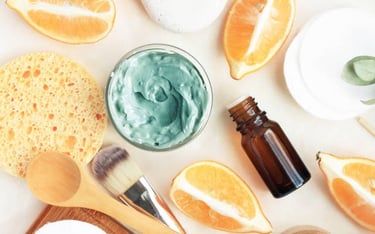


1. Lemon Juice on the Skin
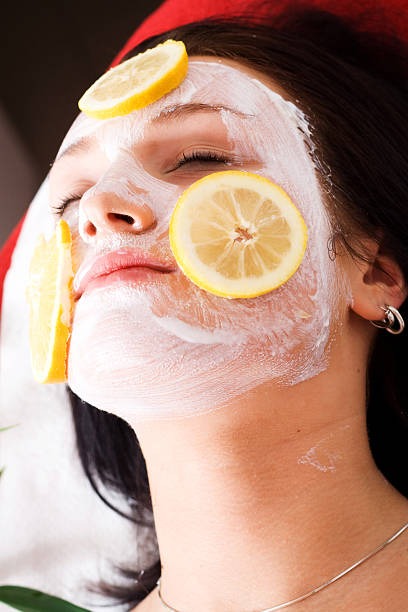
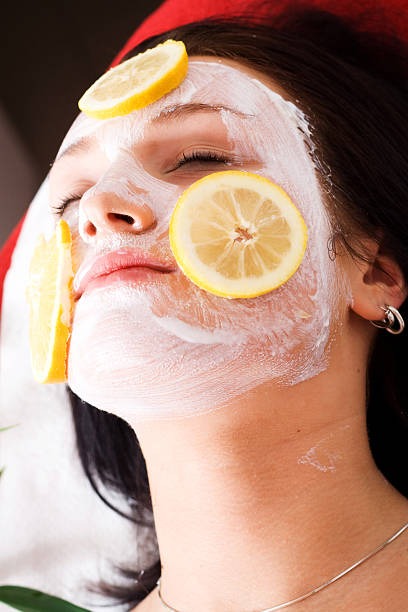
Lemon juice is often promoted as a natural way to brighten skin or fade dark spots. The problem lies in its acidity. Lemon juice has a pH of around 2, while healthy skin has a pH close to 5.5.
Applying something this acidic can:
Disrupt the skin barrier
Cause irritation or chemical burns
Trigger phytophotodermatitis, a reaction that leads to dark patches when lemon juice interacts with sunlight
One of the most serious risks of DIY skincare is pigmentation that becomes darker and harder to treat than the original concern.
If the goal is healthier skin, there are safer ways to achieve it without experimenting at home:
Choose dermatologist-tested products designed for your skin type
Use gentle exfoliants with proven ingredients instead of harsh household items
Avoid applying food or kitchen ingredients directly to the skin
Introduce new products slowly and monitor for reactions
Understanding the risks of DIY skincare does not mean avoiding natural ingredients entirely—it means using them in properly formulated products where safety and stability are ensured.
Conclusion: Natural Doesn’t Always Mean Safe
The idea that natural equals harmless is one of the biggest misconceptions in skincare today. While DIY remedies may seem simple, the risks of DIY skincare include irritation, burns, infections, and long-term damage that can be difficult to reverse.
Healthy skin is not about experimenting—it’s about evidence-based care. If you’re unsure which products or routines are right for you, consulting a qualified dermatologist is the safest way forward.
For personalised skincare advice and safe treatment options, consider consulting Ranjit Skin & Hair Specialist Clinic today.


Why Skin Reactions from DIY Skincare Can Be Hard to Reverse
Practical, Safer Alternatives to DIY Skincare
If you experience persistent redness, burning, pigmentation, itching, or breakouts after trying DIY skincare, it’s important to seek professional advice. A dermatologist can identify whether your skin barrier is damaged and recommend appropriate treatment to restore skin health.
Professional guidance helps prevent repeated mistakes and protects your skin in the long term.
2. Baking Soda as an Exfoliant or Cleanser
At the opposite end of the pH scale is baking soda, which is highly alkaline (pH around 9). Some DIY routines recommend it for acne or exfoliation.
Using baking soda on the skin can:
Strip away natural oils
Damage the skin barrier
Increase water loss, leading to dryness and sensitivity
Worsen acne and inflammation
Over time, repeated use can make the skin more reactive and prone to chronic issues.
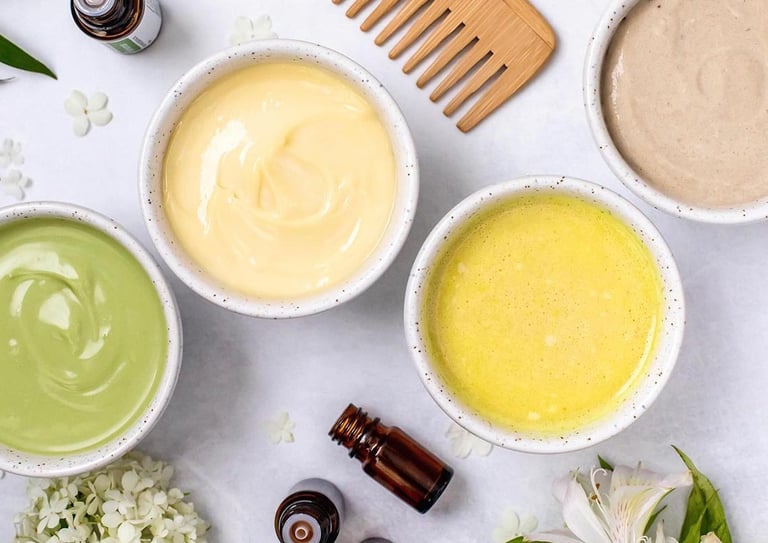
3. “Chemical-Free” Skincare Products
One of the biggest myths in skincare is the idea of being “chemical-free.” Everything, including water, is made of chemicals. The real concern should be whether a product is safe, stable, and evidence-based.
Many DIY or natural products avoid preservatives to appear cleaner. Unfortunately, this increases the risk of:
Bacterial and fungal contamination
Skin infections
Breakouts and inflammation
Among the lesser-known risks of DIY skincare is microbial growth in homemade products, especially when they are stored in bathrooms or reused over time.
Expert dermatology and hair care solutions await.
Address
C4, Jalan SS15/4D, Subang Jaya, 47500 Petaling Jaya, Selangor
© 2025. All rights reserved.
Contacts
Clinic: +60356316090
Whatsapp: +60122794980
Email: klinikranjit16@gmail.com