
Nutrients for Hair Growth: What You’re Missing Might Be on Your Plate
Learn how these nutrients for hair growth—like protein, iron, biotin, and vitamin D—affect hair fall and scalp health, and when to seek a dermatologist’s help.
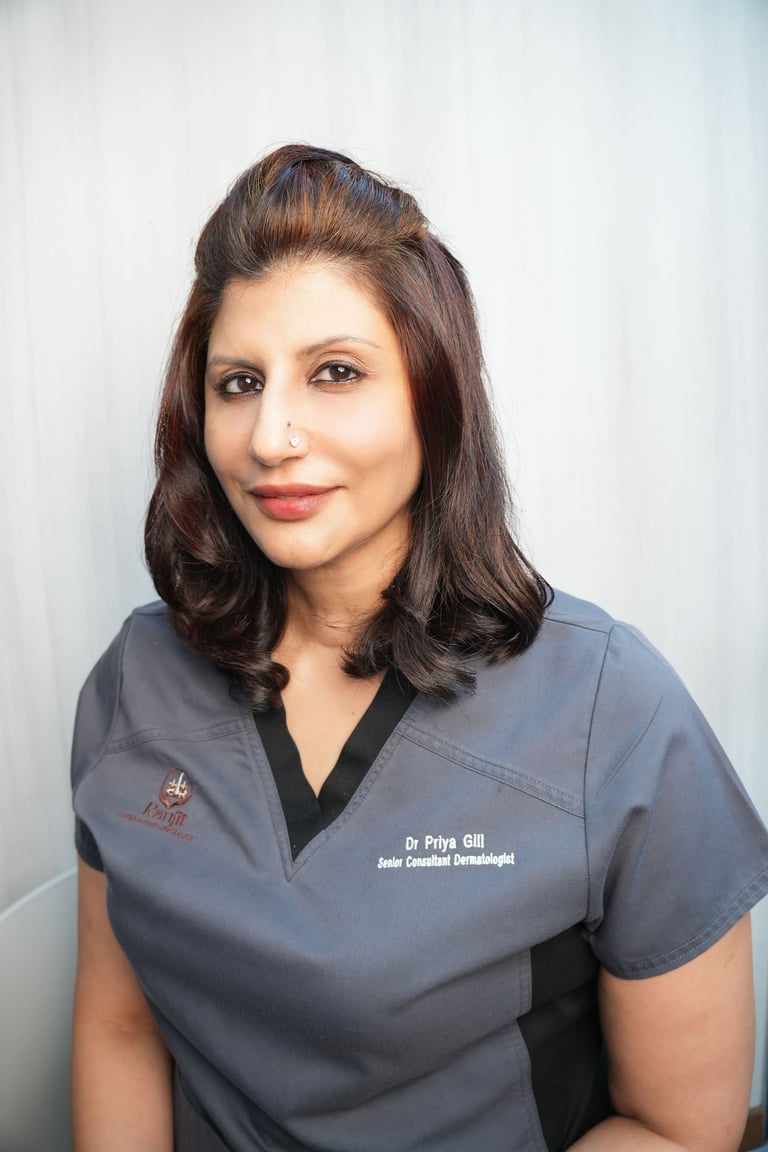
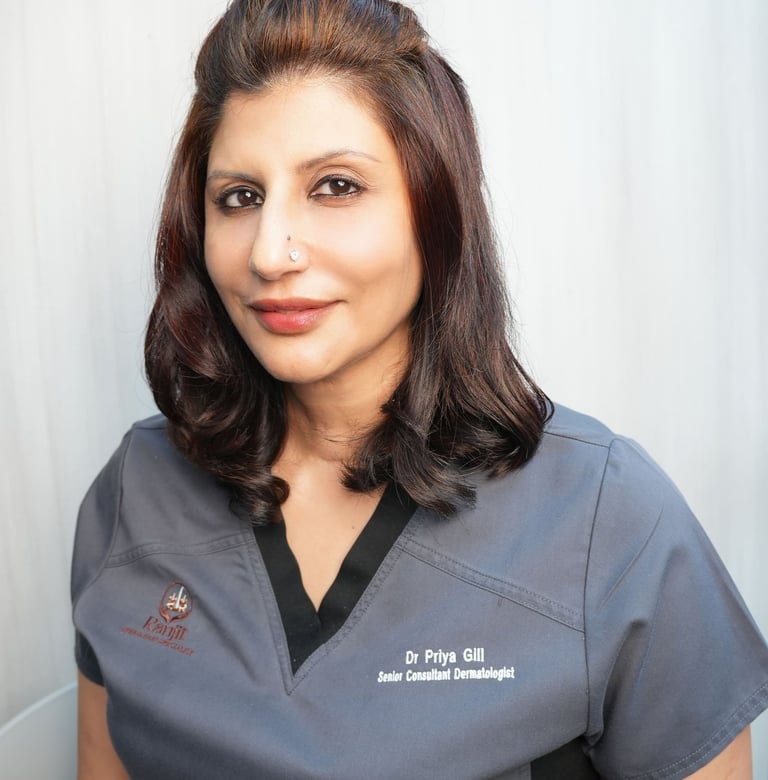
Dr Priya Gill
11/28/20254 min read
Hair Loss Often Begins With What You Eat
Hair fall can be stressful, frustrating, and confusing—especially when you’ve tried different shampoos, serums, or clinic treatments without improvement. What many people don’t realise is that nutrients for hair growth play a powerful role in strengthening hair roots, maintaining scalp health, and preventing excessive shedding.
While genetics, hormones, and underlying conditions can contribute to hair loss, nutrient deficiencies remain one of the most common and overlooked causes. In fact, dermatologists frequently see patients whose hair concerns improve dramatically once their nutrition is addressed.
This article breaks down the essential nutrients for hair growth, how they support your hair cycle, and practical ways to add them into your daily diet. It also covers when you should seek professional advice from a dermatologist.
Why Nutrition Matters for Healthy Hair
Hair is one of the fastest-growing tissues in the body, and it requires a continuous supply of nutrients to stay strong. When the body lacks key vitamins or minerals, it prioritises vital organs—meaning your hair is often the first to suffer.
Deficiencies in certain nutrients for hair growth can lead to:
Excessive shedding
Weak or brittle hair
Slow hair growth
Thinning at the roots
Poor scalp health
Eating well won’t reverse all types of hair loss, but it supports the foundation of healthy hair and improves the results of medical or topical treatments.
The Most Important Nutrients for Hair Growth
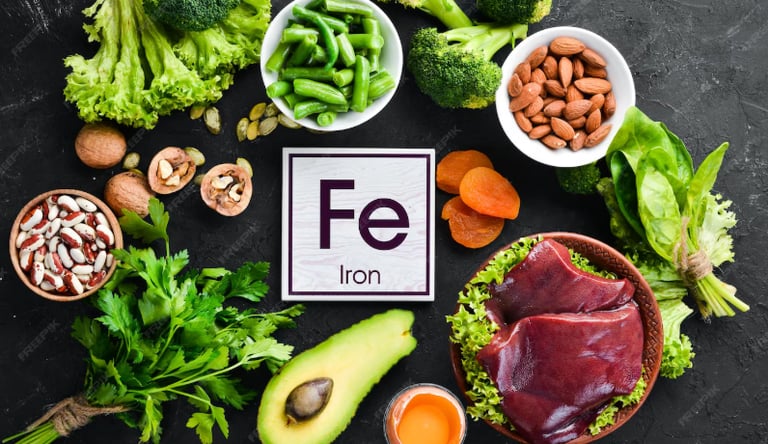
2. Iron: Essential for Hair Root Oxygenation
Iron deficiency is one of the leading causes of hair loss in women, especially in Malaysia and other Asian countries. Iron helps transport oxygen to hair follicles—without it, the roots weaken and shed prematurely.
Symptoms linked to low iron include:
Increased hair fall
Fatigue
Dizziness
Brittle nails
Iron-rich foods include:
Spinach and leafy greens
Red meat
Beans and lentils
Fortified cereals
Pair plant-based iron sources with vitamin C (like citrus or berries) to improve absorption.
How These Nutrients Support Scalp and Hair Follicles
These nutrients for hair growth do more than just help your hair grow longer. They also contribute to a healthy scalp—an essential foundation for strong roots.
Protein supports keratin structure.
Iron improves blood flow and oxygen delivery to follicles.
Biotin enhances the strength of hair fibres.
Vitamin D regulates hair follicle activity and reduces shedding.
When these nutrients work together—alongside proper topical or clinical treatments—patients often see improved density, reduced fall, and a healthier scalp environment.


Need Help Personalising Your Skin & Hair Care?
Don’t let misinformation guide your skin and hair care. Consult the experts at Ranjit Skin & Hair Specialist Clinic and get a personalised treatment plan that works.
Book your consultation today. Your skin deserves the truth—and expert care.
Whatsapp at +60 12-279 4980 to make an appointment!


Practical Tips: How to Add Nutrients for Hair Growth Into Your Daily Diet
Here are simple, realistic ways to improve your nutrition for healthier hair:
✓ Eat a protein-focused breakfast
Options: eggs, Greek yoghurt, tofu scramble, or nut butter on wholegrain toast.
✓ Add leafy greens daily
Spinach, kale, or sawi can be mixed into soups, stir-fries, or omelettes.
✓ Include iron-rich foods 3–4 times a week
This is especially important for women with heavy periods.
✓ Snack smart
Choose nuts, seeds, or wholegrain crackers to boost biotin intake.
✓ Don’t skip sunlight
10–15 minutes of early-morning light helps maintain vitamin D levels.
✓ Stay consistent
Hair takes time to respond—usually 3–6 months—so consistency is key.
Remember: While improving nutrition can significantly support hair health, it must be combined with proper diagnosis and treatment, especially if hair loss is due to medical or hormonal causes.


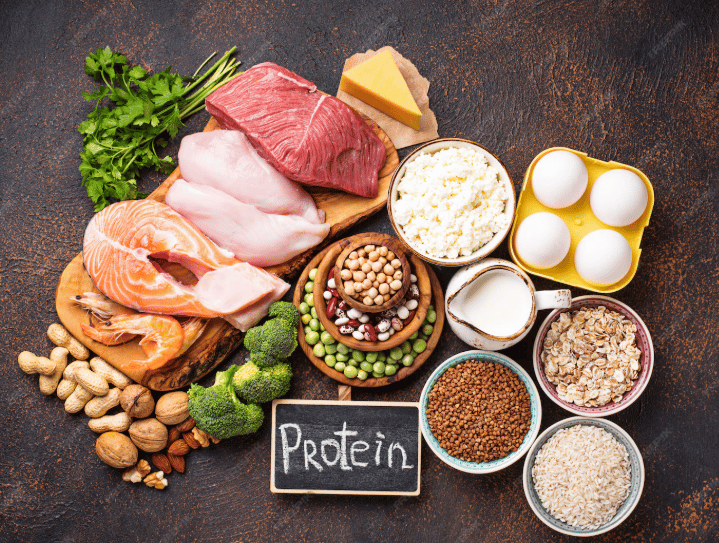
1. Protein: The Building Block of Hair
Protein is one of the most crucial nutrients for hair growth because hair itself is made mostly of keratin, a type of protein. When protein intake is low, the body cannot produce strong hair fibres, leading to:
Weak, brittle strands
Thinning hair
Slower growth
Good sources include:
Eggs
Fish and seafood
Chicken or lean meats
Tofu and tempeh
Beans, lentils, and legumes
Aim to include a protein-rich food at every meal to support healthy keratin production.
3. Biotin (Vitamin B7): Supports Keratin Production
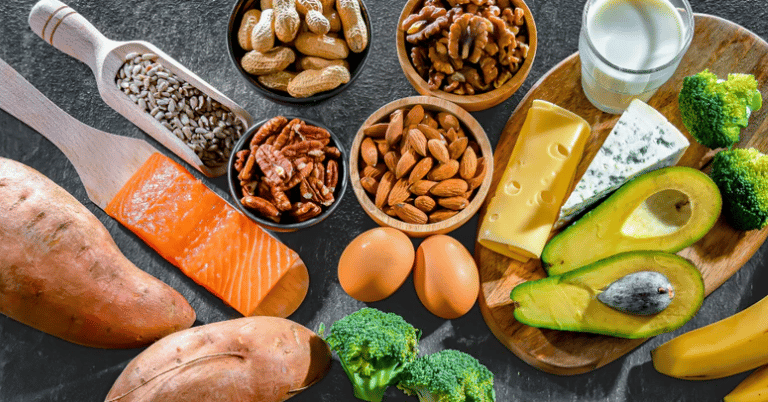
Biotin has become extremely popular for hair supplements—and for good reason. It supports the production of keratin and helps improve hair thickness and strength.
Food sources of biotin include:
Nuts and seeds
Eggs
Whole grains
Sweet potatoes
While biotin deficiency is uncommon, individuals with poor diets, restrictive eating patterns, or certain gut conditions may benefit from increasing their intake.
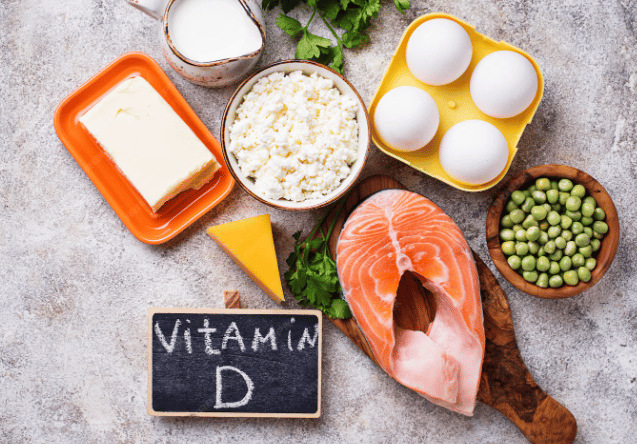
4. Vitamin D: A Key Nutrient for Hair Growth Cycles
Low vitamin D levels have been increasingly linked to excessive hair shedding and conditions such as telogen effluvium and alopecia.
Vitamin D supports:
Hair follicle cycling
Scalp immunity
Reduced inflammation
Sources include:
Safe sun exposure
Salmon and sardines
Eggs
Fortified milk or plant-based alternatives
If deficiency is suspected, a doctor may recommend a blood test and supplementation.
When to See a Dermatologist
If you are experiencing any of the following, it’s time to seek professional help:
Hair fall lasting more than 3 months
Sudden or patchy hair loss
Thinning along the parting or temples
Scalp redness, flaking, or itching
Hair loss after pregnancy, illness, or major stress
A dermatologist can determine whether the cause is nutritional, hormonal, genetic, or medical—and recommend the right treatment plan.


Expert dermatology and hair care solutions await.
Address
C4, Jalan SS15/4D, Subang Jaya, 47500 Petaling Jaya, Selangor
© 2025. All rights reserved.


Contacts
Clinic: +60356316090
Whatsapp: +60122794980
Email: klinikranjit16@gmail.com