
Everyday Habits That Cause Eye and Skin Inflammation Around Eyes
Learn how everyday habits can cause eye and skin inflammation around eyes, and discover simple steps to protect your eye health and sensitive skin. Check this out.
Dr Priya Gill
3/31/20264 min read
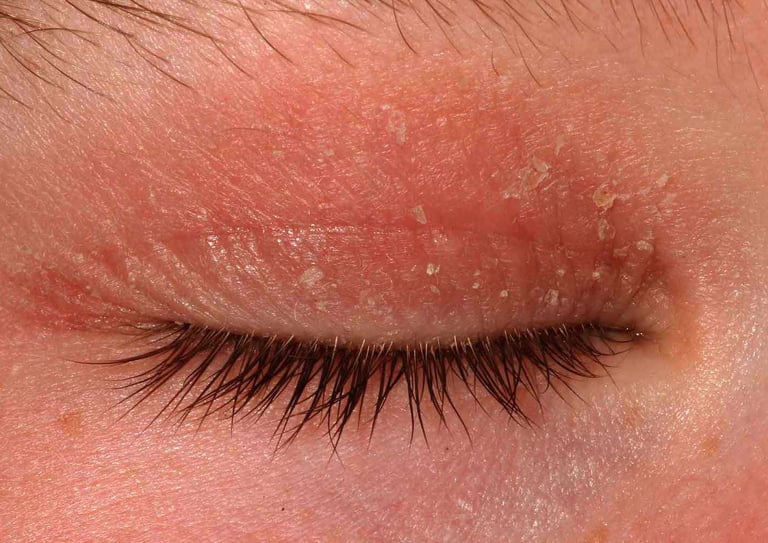
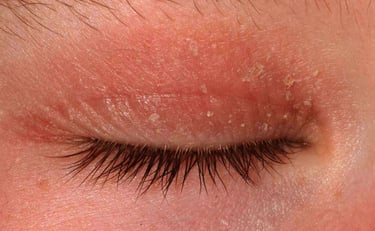
Many people experience occasional itching, redness, or irritation in and around their eyes. While these symptoms are often dismissed as minor or temporary, they may actually be signs of a deeper issue—eye and skin inflammation around eyes caused by everyday habits.
Healthcare professionals, including ophthalmologists and dermatologists, increasingly observe that patients present with both eye discomfort and skin irritation simultaneously. What makes this concerning is that the root cause is often something simple and preventable.
Understanding these habits is the first step toward protecting both eye health and the delicate skin surrounding the eyes.
What Causes Eye and Skin Inflammation Around Eyes?
The skin around the eyes is among the thinnest and most sensitive on the body. At the same time, the eyes themselves are highly vulnerable to irritation from environmental and behavioral factors. This makes the area particularly prone to eye and skin inflammation around eyes.
Several common daily habits can trigger or worsen this condition:


Need Help Personalising Your Skin & Hair Care?
Don’t let misinformation guide your skin and hair care. Consult the experts at Ranjit Skin & Hair Specialist Clinic and get a personalised treatment plan that works.
Book your consultation today. Your skin deserves the truth—and expert care.
Whatsapp at +60 12-279 4980 to make an appointment!




1. Rubbing Eyes
Rubbing the eyes may feel relieving in the moment, especially when they are itchy or tired. However, this habit can do more harm than good.
From an eye health perspective, rubbing can transfer bacteria and irritate the surface of the eye. From a skin standpoint, repeated friction damages the delicate tissue around the eyes, leading to redness, darkening, and even long-term pigmentation.
Over time, this can significantly contribute to persistent eye and skin inflammation around eyes.
Preventing eye and skin inflammation around eyes often comes down to small, consistent changes in daily habits:
Avoid rubbing the eyes: Instead, rinse with clean water or use doctor-recommended eye drops for relief.
Be mindful with skincare: Keep active ingredients away from the eye area and use products specifically designed for sensitive skin around the eyes.
Maintain makeup hygiene: Replace eye makeup regularly and clean brushes frequently to reduce bacterial buildup.
Remove makeup thoroughly: Use a gentle makeup remover before bedtime to ensure no residue is left behind.
Act early on symptoms: Address irritation as soon as it appears rather than waiting for it to worsen.
These simple steps can significantly reduce the risk of developing or worsening eye and skin inflammation around eyes.
Everyday habits often play a bigger role in health than many realise. When it comes to eye and skin inflammation around eyes, even small actions—like rubbing the eyes or skipping makeup removal—can have lasting effects.
The good news is that these triggers are largely preventable. By adopting simple, mindful habits and addressing symptoms early, individuals can protect both their eye health and the delicate skin around them.
If irritation persists or becomes recurrent, seeking professional advice is essential. A timely consultation with a qualified eye specialist or dermatologist can help prevent complications and ensure effective treatment.
Sometimes, one small change truly makes a big difference.


Practical Tips to Prevent Eye and Skin Inflammation Around Eyes
Conclusion
2. Applying Skincare Too Close to the Eyes
Many skincare products contain active ingredients such as retinoids, acids, or fragrances. While beneficial for the face, these ingredients can be too harsh for the eye area.
Products applied too close to the eyes can migrate into the eyes themselves, causing stinging, watering, and irritation. Simultaneously, the surrounding skin may react with redness or dryness.
This is a common yet overlooked cause of eye and skin inflammation around eyes, even among individuals using high-quality skincare products.


3. Poor Makeup Hygiene
Eye makeup, including mascara, eyeliner, and eyeshadow, can accumulate bacteria over time. Using old products or unclean brushes increases the risk of irritation and infection.
From an ophthalmological perspective, contaminated makeup can irritate the eyes or even lead to infections. Dermatologically, it can trigger rashes, breakouts, or allergic reactions on the eyelids.
Poor hygiene in this area is a significant contributor to recurring eye and skin inflammation around eyes.


5. Ignoring Early Symptoms
Many individuals ignore mild itching, redness, or dryness until symptoms become severe. However, early signs are often the body’s way of signalling irritation or inflammation.
Delaying care can allow the condition to progress, making it more difficult to treat. What starts as mild discomfort can evolve into persistent eye and skin inflammation around eyes requiring medical intervention.
When Should Medical Advice Be Sought?
While mild irritation can often be managed with basic care, there are situations where professional evaluation is important.
Medical advice should be considered if:
Symptoms keep recurring
The skin around the eyes frequently flares up
There is persistent redness, itching, or discomfort
Symptoms do not improve despite good hygiene and care
In such cases, an ophthalmologist or dermatologist can help identify the underlying cause and recommend targeted treatment.
Expert dermatology and hair care solutions await.
Address
C4, Jalan SS15/4D, Subang Jaya, 47500 Petaling Jaya, Selangor
© 2025. All rights reserved.


Contacts
Clinic: +60356316090
Whatsapp: +60122794980
Email: klinikranjit16@gmail.com