
Teen Skincare Myths: What Parents Should Know
Learn the common teen skincare myths parents should know, from overusing active ingredients to harsh scrubs, and when to seek dermatology advice.
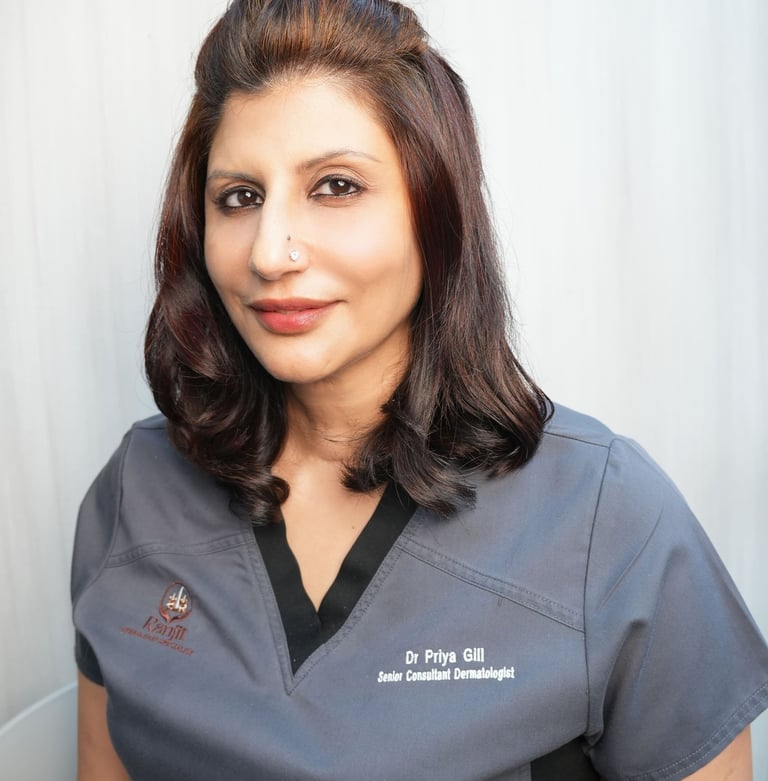
Dr Priya Gill
8/19/20263 min read
Teenagers today are exposed to countless skincare trends on social media. From multi-step routines to strong active ingredients, it can be difficult for parents to know what their teenager’s skin actually needs.
The good news is that teen skincare does not have to be complicated. In many cases, a simple routine can help maintain healthy skin while reducing unnecessary irritation.
Common Teen Skincare Myths
Need Help Personalising Your Skin & Hair Care?
Don’t let misinformation guide your skin and hair care. Consult the experts at Ranjit Skin & Hair Specialist Clinic and get a personalised treatment plan that works.
Book your consultation today. Your skin deserves the truth—and expert care.
Whatsapp at +60 12-279 4980 to make an appointment!



Myth 1: More skincare products are better
Teenagers do not necessarily need a 10-step skincare routine. Using too many products can overwhelm the skin and may increase the risk of dryness, irritation and sensitivity.
For most teenagers, basic teen skincare can focus on gentle cleansing, moisturising and daily sun protection. Additional products should be considered based on individual skin concerns.
Myth 2: Strong active ingredients are always better
Ingredients such as retinol and exfoliating acids are frequently featured in skincare trends online. However, they should not be added simply because they are popular.
Some active ingredients can cause dryness, irritation or sensitivity when used incorrectly. Parents can encourage teenagers to introduce new products carefully and seek professional advice when they are unsure whether an ingredient is appropriate.
Myth 3: Scrubbing helps get rid of acne
Harsh scrubs are not necessarily helpful for teenage skin. Excessive physical exfoliation can irritate the skin barrier and potentially make redness and sensitivity worse.
Gentle cleansing is generally a better approach to everyday teen skincare, particularly for teenagers who already have acne-prone or sensitive skin.
Myth 4: Viral skincare products work for everyone
A skincare product that works well for one person on social media may not produce the same results for another teenager.
Skin type, acne severity, sensitivity and other individual factors can all influence how the skin responds. Parents can remind teenagers that social media recommendations are not a substitute for personalised dermatological advice.
Myth 5: Teen acne will simply disappear
Acne is common during the teenage years, but persistent or inflamed acne should not always be left untreated.
Painful spots, significant redness or acne that is affecting a teenager's confidence may require professional assessment. Early guidance can help identify suitable treatment and reduce the risk of prolonged inflammation or scarring.
Effective teen skincare does not need to involve numerous products or complicated routines. For many teenagers, starting with gentle, consistent basics is a better approach than following every skincare trend online.
If a teenager is experiencing persistent acne, painful breakouts or irritation from skincare products, parents should consider consulting a dermatologist for personalised advice.
Final Thoughts
Practical Teen Skincare Tips for Parents
Parents can help teenagers establish simple and consistent teen skincare habits:
Use a gentle cleanser rather than harsh scrubs.
Moisturise regularly, particularly if the skin feels dry or irritated.
Use sunscreen during the day.
Avoid constantly switching between new products.
Be cautious with strong active ingredients without professional guidance.
Seek advice if acne is painful, persistent or worsening.
Stop or review products that cause significant redness, burning or sensitivity.
Keeping skincare simple can be especially helpful when teenagers are influenced by constantly changing online trends.
When Should Someone See a Dermatologist?
Parents should consider seeking dermatological advice if a teenager develops painful or persistent acne, significant skin irritation or sensitivity after using skincare products.
A dermatologist can assess the skin and recommend an appropriate routine or treatment based on the teenager's individual needs. This can help prevent unnecessary product use and ensure that persistent skin concerns are addressed appropriately.


Expert dermatology and hair care solutions await.
Address
C4, Jalan SS15/4D, Subang Jaya, 47500 Petaling Jaya, Selangor
© 2025. All rights reserved.


Contacts
Clinic: +60356316090
Whatsapp: +60122794980
Email: klinikranjit16@gmail.com